
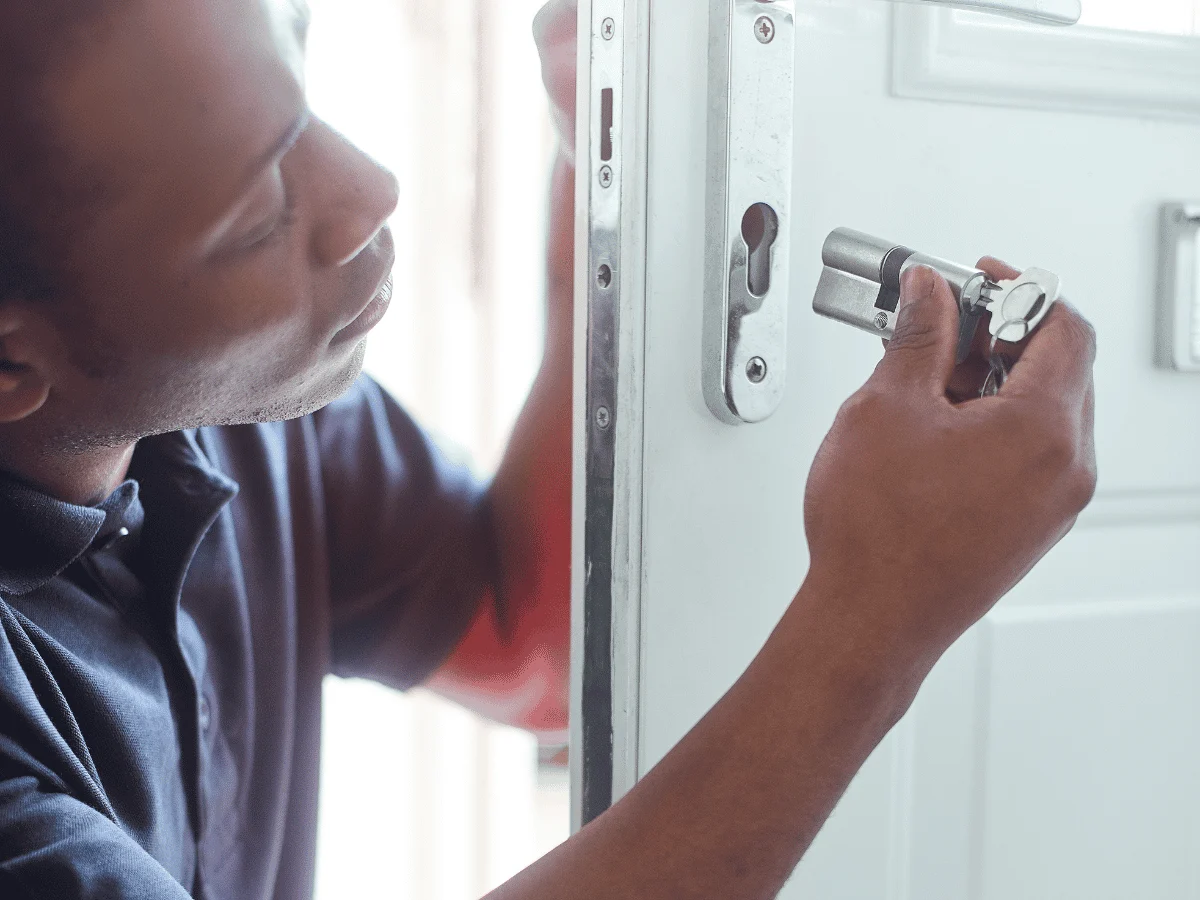
How to Rekey a Rental Property After a Tenant Moves Out
When a tenant moves out of a rental property, landlords have more to consider than cleaning, repairs and the final inspection.
One important question is often overlooked:
Who still has a key to the property?
Even when a tenant returns all the keys they were given, there is no way to know for certain whether additional copies were made during the tenancy. A former tenant, housemate, family member, friend or tradesperson may still have access to a copy.
Rekeying the locks after a tenant moves out can give landlords greater control over who can access the property before a new tenancy begins.
For Perth landlords and property managers, it can be a practical part of the rental property changeover process.
Key Takeaways
- Rekeying changes the internal mechanism of a compatible lock so the old keys no longer operate it.
- You may not need to replace the entire lock when a tenant moves out.
- Rekeying can prevent old keys from being used by former tenants or anyone with an unauthorised copy.
- Landlords should check all external access points, not just the front door.
- Garages, side doors, rear entrances and gates may also need to be considered.
- Rekeying is different from replacing a lock and may be suitable when existing hardware is still in good condition.
- A professional locksmith can determine whether a lock can be rekeyed or should be replaced.
Why Should You Rekey a Rental Property After a Tenant Moves Out?
The main reason is simple: you may not know who has copies of the keys.
A tenant may have received two keys but later made additional copies. Those copies could have been given to:
- A partner or family member
- A friend
- A housemate
- A cleaner
- A tradesperson
- Another person who needed access to the property
When the tenancy ends, returning the original keys does not necessarily mean every copy has been returned.
Rekeying gives the landlord an opportunity to reset access before the next tenant moves in.
What Does Rekeying a Lock Mean?
Rekeying changes the internal configuration of an existing lock so it operates with a new key.
The existing lock hardware can remain in place if it is suitable for rekeying.
This is different from replacing a lock, where the existing hardware is removed and a new lock is installed.
For landlords, this distinction can be useful because a lock may still be in good working condition even though the previous keys should no longer work.
If you want to understand the general rekeying process in more detail, see our guide to rekeying locks in Perth.
Do You Need to Rekey Every Rental Property After Every Tenant?
Not necessarily.
There is no single approach that applies to every rental property. The decision can depend on the condition of the locks, the property’s access arrangements and whether there is any uncertainty about who has copies of the keys.
Landlords may consider rekeying when:
- A tenant moves out
- Keys are lost
- Keys are not returned
- There is uncertainty about copied keys
- A previous tenant may still have access
- There has been a security concern
- The property has changed ownership
- A lock or key-control problem has been identified
For rental properties with frequent tenant turnover, making key control part of the regular changeover process can provide a consistent approach to property security.
Having Problems With Your Jason Windows Sliding Door?
Get your sliding door lock inspected, repaired, or replaced by a Perth locksmith.
What If the Tenant Returns All the Keys?
You may still want to consider rekeying.
Returning the keys confirms that the tenant has handed back the keys they possess. It does not necessarily confirm that no additional copies exist.
For example, a tenant may have made a spare key months earlier and forgotten about it.
That spare key could have been:
- Returned
- Lost
- Destroyed
- Given to someone else
- Kept by the former tenant
If you want certainty that the old keys no longer operate the lock, rekeying can provide a way to reset access.
Rekeying vs Replacing the Locks
Rekeying and replacing a lock are two different options.
Rekeying
Rekeying may be suitable when:
- The existing lock is in good condition
- The lock is compatible with rekeying
- You want previous keys to stop working
- The existing hardware is still suitable for the property
Replacing the Lock
Replacement may be more appropriate when:
- The lock is damaged
- The hardware is heavily worn
- The lock is outdated
- The property needs a security upgrade
- The lock does not provide the level of security required
- The existing hardware cannot be rekeyed
If the lock is damaged or no longer working properly, a landlord may need more than a simple rekey. You can learn more about lock repair and replacement services in Perth to understand when replacement may be more appropriate.
Which Doors Should a Landlord Rekey?
The front door is an obvious place to start, but it may not be the only access point.
Consider every door or entry point where a previous tenant may have had a key.
This may include:
- Front doors
- Rear doors
- Side doors
- Garage access doors
- Internal doors connecting the garage to the house
- Sheds
- Gates
- Other keyed entry points
A common mistake is to rekey the front door while leaving another external entrance unchanged.
If an old key still operates another entry point, the access issue may not have been fully addressed.
What About the Garage?
Garages deserve particular attention.
A tenant may have had access through:
- A garage key
- A garage side door
- A remote
- An internal door connecting the garage to the house
- A keyed gate
If the rental property has several access methods, landlords should review all of them during the tenancy changeover.
For example, changing the front-door lock but forgetting the side garage door could leave another route into the property.
Should You Rekey Before the New Tenant Moves In?
If you decide that rekeying is appropriate, completing it between tenancies can be a practical time to do it.
This gives the landlord an opportunity to:
- Complete the final inspection.
- Collect the returned keys.
- Identify all keyed entry points.
- Rekey or replace the appropriate locks.
- Test the new keys.
- Provide the new tenant with the correct keys.
This creates a clear point at which access changes from the previous tenancy to the new one.
What Happens If a Tenant Loses a Key?
A lost key creates another security concern.
You may know that one key is missing, but you may not know:
- Where it was lost
- Who found it
- Whether the key identifies the property
- Whether someone has copied it
- Whether it can still be used to access the property
If a lost key provides access to the rental property, rekeying the affected lock may be worth considering.
The same applies if a tenant says they are unsure whether they returned all the keys.
Can a Landlord Rekey the Locks Without Replacing Them?
In many cases, yes, provided the existing lock is compatible with rekeying.
A locksmith can inspect the lock and determine whether it can be rekeyed or whether replacement would be a better option.
This is one reason it can be useful to assess the existing hardware before automatically purchasing new locks.
What Should Landlords Check During a Tenancy Changeover?
Lock security should form part of a broader property handover checklist.
1. Collect All Keys
Ask the outgoing tenant to return all keys and access devices provided during the tenancy.
2. Check Every External Entry
Do not check only the front door.
Review rear doors, side entrances, gates, garages and other keyed access points.
3. Inspect the Locks
Look for signs of:
- Damage
- Wear
- Sticking
- Loose hardware
- Forced entry
- Poor operation
4. Check Garage and Gate Access
If the property has keyed gates, garage doors or other access systems, include them in the changeover.
5. Decide Whether to Rekey or Replace
If the lock is functioning properly, rekeying may be enough.
If the lock is damaged or outdated, replacement may make more sense.
6. Keep a Key Register
For managed properties, maintaining a record of keys can make future tenant changeovers easier.
Record:
- Number of keys issued
- Which doors they operate
- Keys returned
- Missing keys
- New keys issued
What Are the Benefits of Rekeying a Rental Property?
Better Control Over Access
Rekeying allows the landlord to reset who can use the existing lock.
Previous Keys Stop Working
Once a compatible lock has been rekeyed, the previous key should no longer operate that lock.
Useful Between Tenancies
The changeover period provides a natural opportunity to review and reset property access.
May Avoid Unnecessary Lock Replacement
If the existing hardware is in good condition, rekeying may allow you to keep it while changing the key that operates it.
Helps With Key Management
A consistent rekeying process can make it easier for landlords and property managers to manage access between tenants.
When Should You Replace Instead of Rekey?
Rekeying is not always the best solution.
Consider replacing the lock if it is:
- Damaged
- Heavily worn
- Difficult to operate
- Outdated
- Providing inadequate security
- No longer reliable
A locksmith can assess the hardware and recommend whether rekeying or replacement is more appropriate.
If you are unsure whether your existing locks should be repaired, rekeyed or replaced, a residential locksmith in Perth can assess the property’s current lock setup and recommend an appropriate option.
Can You Rekey Multiple Locks to Use One Key?
Depending on the lock types and hardware installed, it may be possible to configure compatible locks so that one key operates multiple locks.
This can be useful for landlords who want to simplify key management.
However, not every lock is compatible with the same key system.
A locksmith can assess the existing locks and determine what options are available for the property.
What If the Rental Property Has Multiple Units?
Multi-unit properties require more careful key management.
A landlord or property manager may need to consider:
- Individual unit access
- Common-area access
- Garage access
- Storage areas
- Maintenance access
- Restricted areas
A suitable key system can help prevent tenants from having unnecessary access to other parts of the property.
For larger properties, a locksmith can also advise on appropriate access-control and master key arrangements.
How Often Should Rental Property Locks Be Rekeyed?
There is no universal schedule that applies to every rental property.
Instead, landlords can consider rekeying when there has been a meaningful change in who may have access.
Examples include:
- A tenant moves out
- A key is lost
- A key is stolen
- There is a suspected unauthorised copy
- A security incident occurs
- Property ownership changes
- A lock or key-control problem is identified
For some rental properties, rekeying may become part of the normal tenancy changeover process.
For others, it may only be necessary when there is a specific security concern.
What About Rental Properties With Smart Locks?
Smart locks change the way access is managed.
Instead of relying only on physical keys, some systems allow landlords or property managers to manage access codes, digital keys or user permissions.
However, the basic principle remains the same:
When a tenant leaves, their access should be removed.
For a smart lock, that may mean deleting a code or digital credential rather than physically rekeying a lock.
The appropriate approach depends on the type of smart lock installed and how its access system works.
A Simple Rental Property Lock Changeover Checklist
Before a new tenant moves in, consider this checklist:
- Collect all keys from the previous tenant
- Check whether any keys are missing
- Inspect external locks
- Check garage and side entrances
- Check gates and other keyed access points
- Inspect locks for damage or wear
- Decide whether locks should be rekeyed
- Replace damaged locks where necessary
- Test the new keys
- Record keys issued to the new tenant
- Remove old digital access codes where applicable
- Keep an updated key register
This can help make security checks part of the normal rental-property handover process.
Frequently Asked Questions
Should I rekey my rental property when a tenant moves out?
Rekeying can be a sensible security measure because you cannot always know whether additional copies of the keys exist.
What is the difference between rekeying and replacing a lock?
Rekeying changes the internal mechanism so the old key no longer works, while replacing a lock involves installing new lock hardware.
Do I need to rekey the locks if the tenant returned all the keys?
Not necessarily, but returning the original keys does not prove that additional copies do not exist. Rekeying can provide greater certainty over future access.
Can a locksmith rekey my existing rental property locks?
Many locks can be rekeyed, but compatibility depends on the lock type and condition. A locksmith can inspect the hardware.
Should I rekey the garage as well as the front door?
If the garage provides keyed access to the property, it should be considered as part of the overall security review.
What should I do if a tenant loses a key?
Consider whether the affected lock should be rekeyed or replaced, particularly if you cannot determine where the key went.
Can multiple locks use the same key?
Some compatible locks can be configured to operate with the same key. A locksmith can determine whether this is possible with your existing hardware.
Is rekeying suitable for every rental property?
Not necessarily. The property’s locks, condition, access requirements and security needs should be considered before deciding.
Secure Your Rental Property Before the Next Tenant Moves In
A tenant moving out is more than a cleaning and inspection milestone. It is also an opportunity to review who can access the property.
If you are confident that every key has been returned and the locks are in good condition, you may decide that no change is necessary. If there is uncertainty about copied, lost or unreturned keys, rekeying can provide a practical way to reset access.
Start by checking every entry point, not just the front door. Include garages, gates, rear entrances and other keyed areas that previous occupants may have accessed.
If the existing locks are damaged or outdated, replacement may be more appropriate. If they are still in good condition, rekeying may be enough.
For Perth landlords and property managers, a professional locksmith can inspect the existing locks, explain the available options and help prepare the property for its next tenancy.


 24-Hour Emergency Service